Loyalty app for a hospitality group · 2026
AI-assisted Product Discovery
A hospitality group wanted to connect several restaurant brands through one loyalty programme.
I led the discovery and initial product direction, using two AI-assisted experiments to challenge and strengthen the concept. Claude worked from the project research, strategy and constraints, while I evaluated what was useful and what changed.
Client details have been anonymised. The process and decisions haven’t.
Project overview
Role
Senior Product Designer
{{ m.k }}
{{ m.v }}
My AI-assisted workflow
-
{{ w.n }}
{{ w.title }}
{{ w.body }}
Discovery
I brought the project material and my research into a dedicated Claude project, using it to organise the evidence and surface recurring needs and opportunities.
I then reviewed the outputs against the source material and with the wider project team, using that judgement to shape the design principles.
Product opportunities
From the research, AI-assisted synthesis and team input, I defined five principles to guide the concept.
-
{{ op.n }}
{{ op.title }}
Together, they grounded the concept in customer needs, business goals and technical reality.
Starting concept
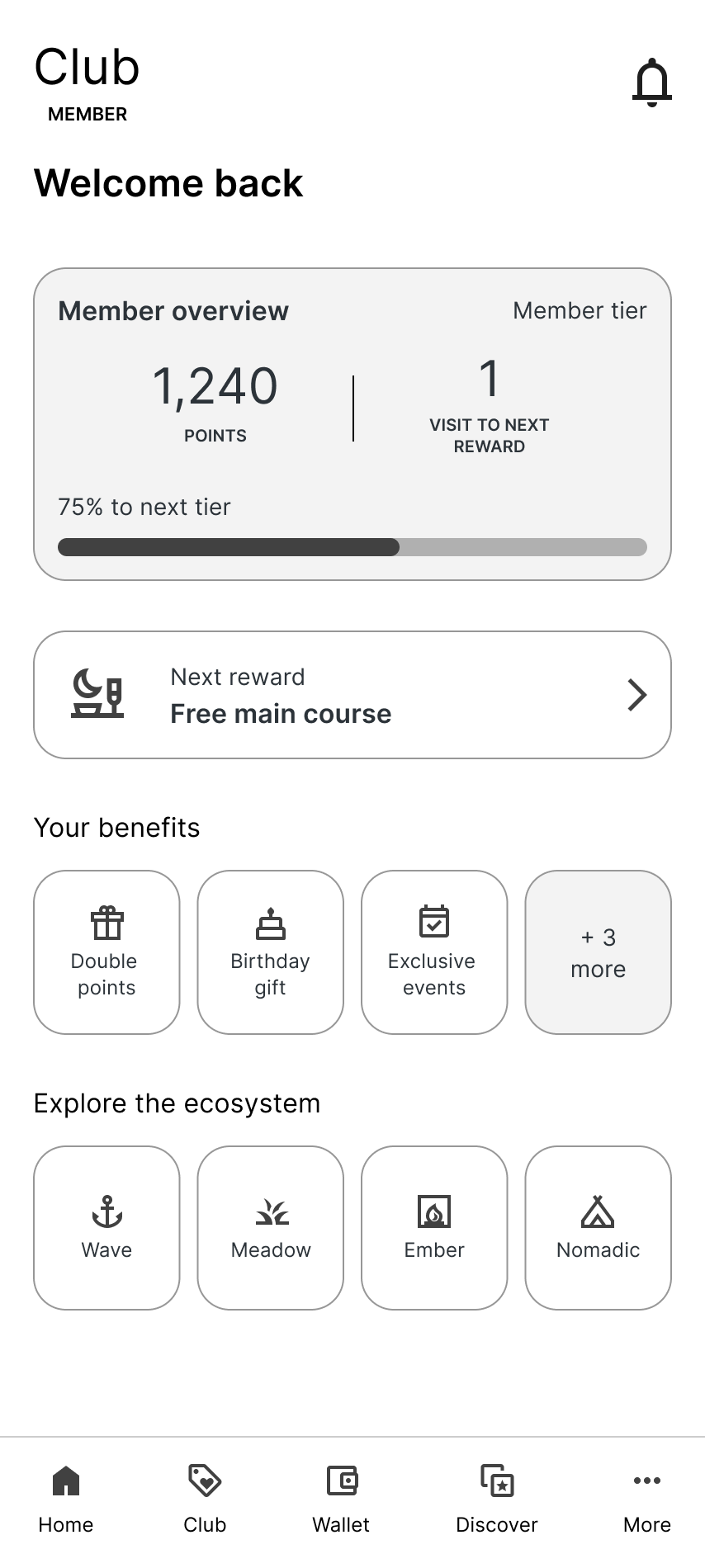
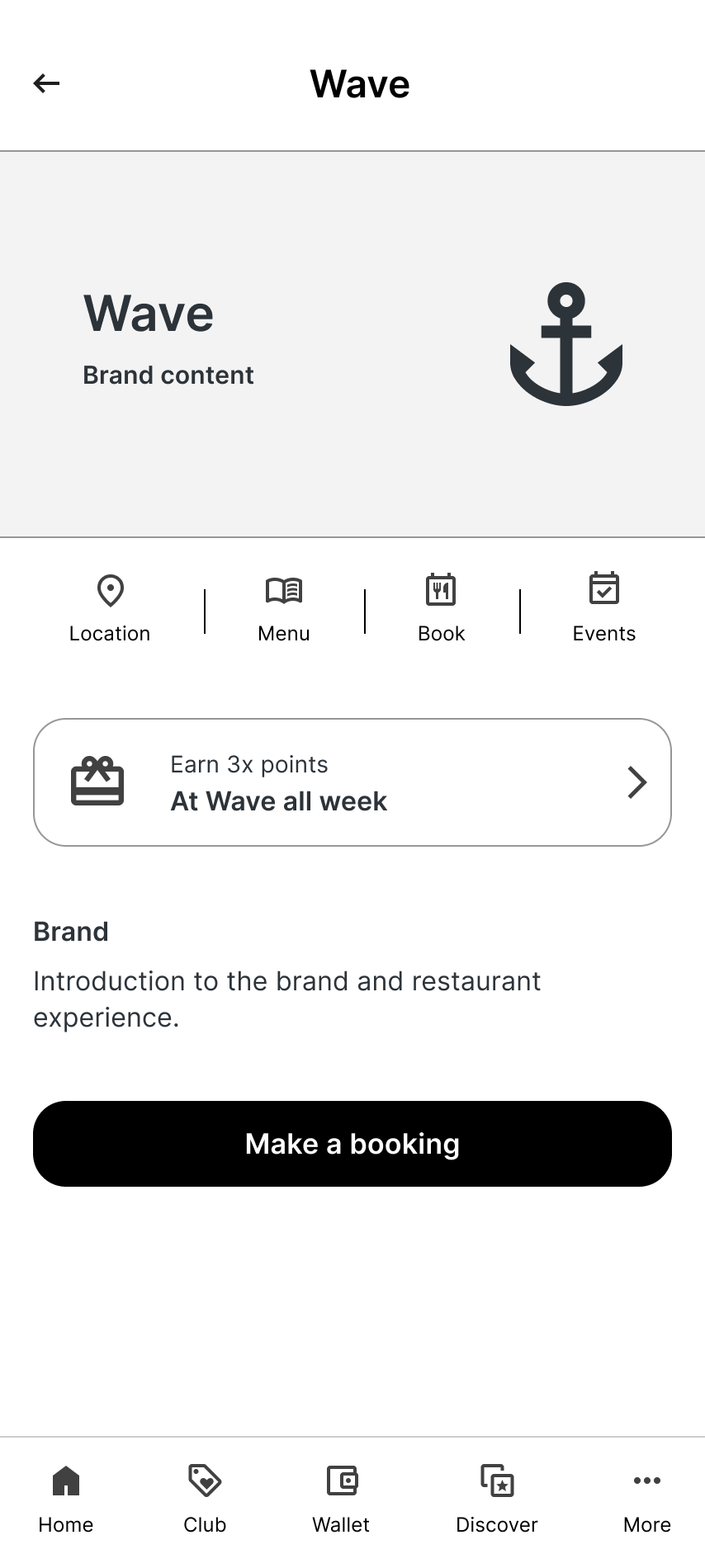
From those principles and the requirements established with the team, I created the starting concept: shared membership, cross-brand discovery and distinct brand experiences.
AI exploration
Experiment 1 — Challenge the concept
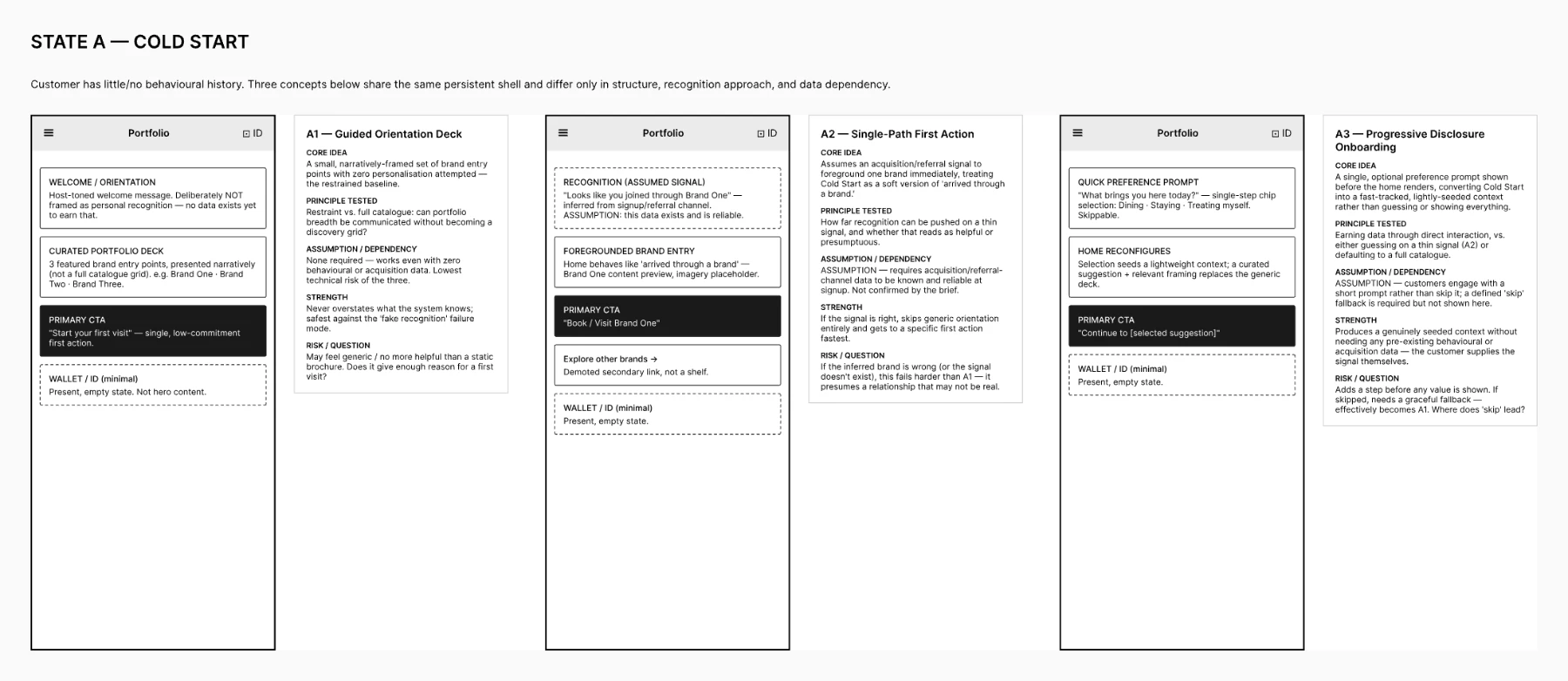
Claude had the same research, principles and technical constraints I had worked from, but my wireframes were deliberately withheld so the exploration wasn’t anchored to my solution. It worked through Claude Code and Figma MCP to explore alternative structures.
The useful finding was that I had been treating two states as one: a true cold start with no customer context, and an experience where some context was already known. It also suggested a lightweight optional prompt — “What brings you here today?” — to create useful context without guessing.
My evaluation
Evaluating the exploration
I checked each suggestion against the customer evidence, the strategy, the business need and what was technically feasible. Two ideas from the same exploration went opposite ways.
Carry forward
Lightweight optional preference prompt.
It creates a real, customer-supplied signal without pretending we already know the customer.
Not carrying forward
Inferring a starting brand from acquisition data.
The available project evidence did not establish that this data was reliable enough to design around.
Earn context rather than guess it.
AI critique
Experiment 2 — Critique my concept
I then introduced my wireframes and asked Claude to critique them against the same evidence and constraints. This time the goal was to identify where the concept could be improved.
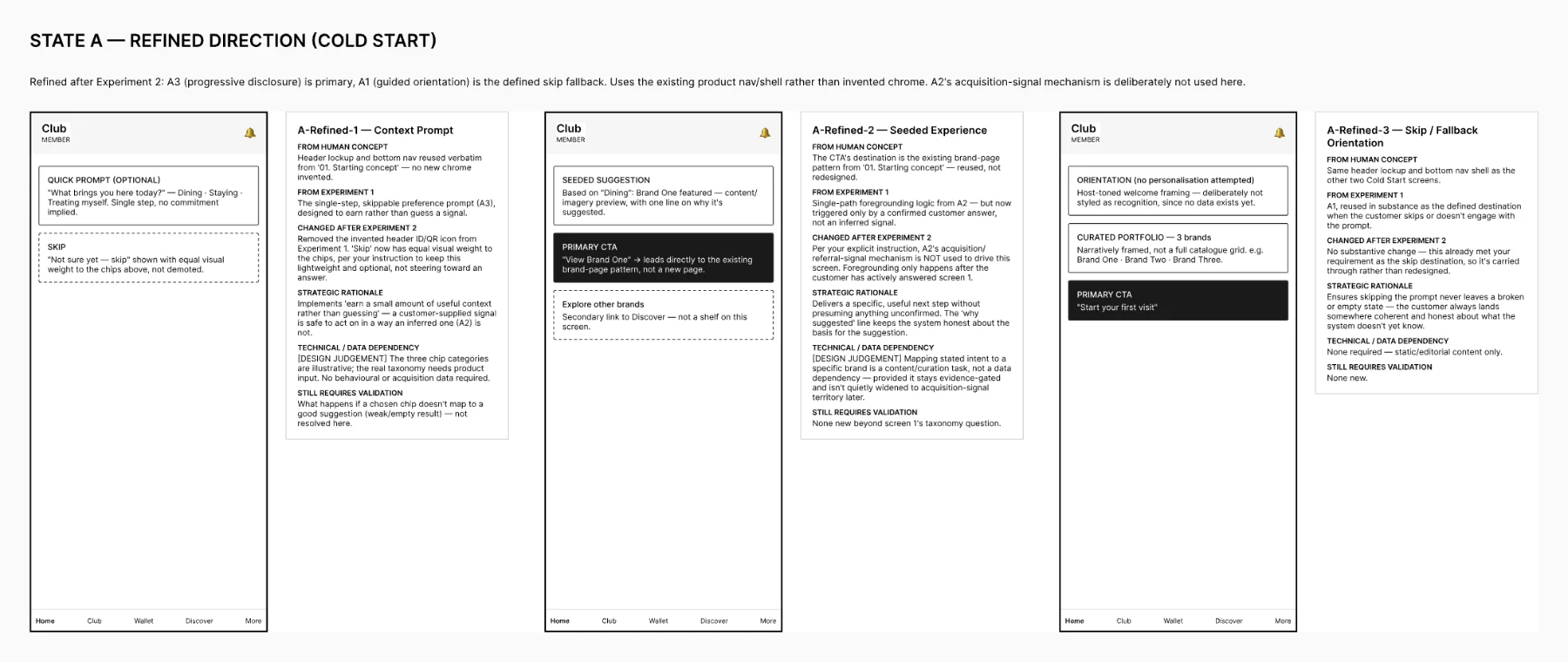
The critique reinforced two things: a cold start should establish context before leading with loyalty, and recommendations should only appear when there is a reliable signal behind them.
My decision
What changed
The useful ideas I chose to take forward after weighing the critique against the original evidence.
-
{{ c.n }}
{{ c.body }}
Refined direction
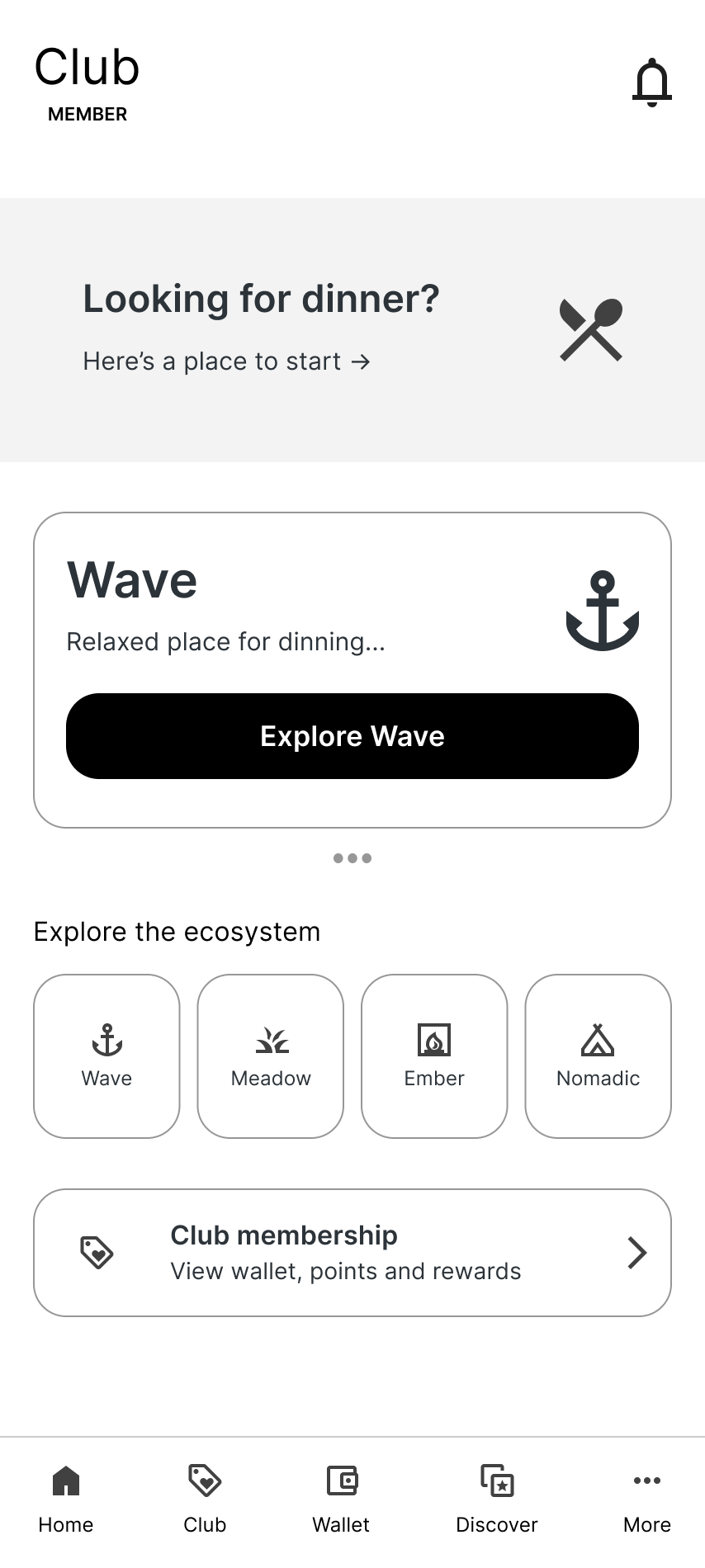
The core concept stayed intact. What changed was the hierarchy: context first, a relevant starting point next, with membership still accessible but secondary.
Starting concept
Loyalty status → rewards → benefits → ecosystem
Refined concept
Customer context → relevant starting point → ecosystem discovery → membership secondary
What I learned
AI was most useful as a challenger and second pair of eyes. With enough project context, it could explore alternatives quickly, surface assumptions and help me check what I might have missed.
The value was having more options to evaluate — not accepting its answers.
What this means for you
This is the workflow I’d carry into future projects: give AI the right context, use it to explore and challenge the work, then apply design judgement to what comes back.
AI can accelerate the process. The designer still owns the decision.